


Nigeria’s Minister of Power, , has directed the (IBEDC) to urgently accelerate the distribution of free prepaid meters to customers across its franchise area, citing unacceptable delays in deployment under a key federal metering intervention programme.

The minister issued the directive on Saturday during a working visit to IBEDC’s headquarters in Ibadan, where he met with the company’s management and other critical stakeholders in the Nigerian Electricity Supply Industry (NESI). The engagement, he said, underscores the Federal Government’s determination to sustain close, solution-driven relationships with operators as part of broader efforts to stabilise and reform the power sector.
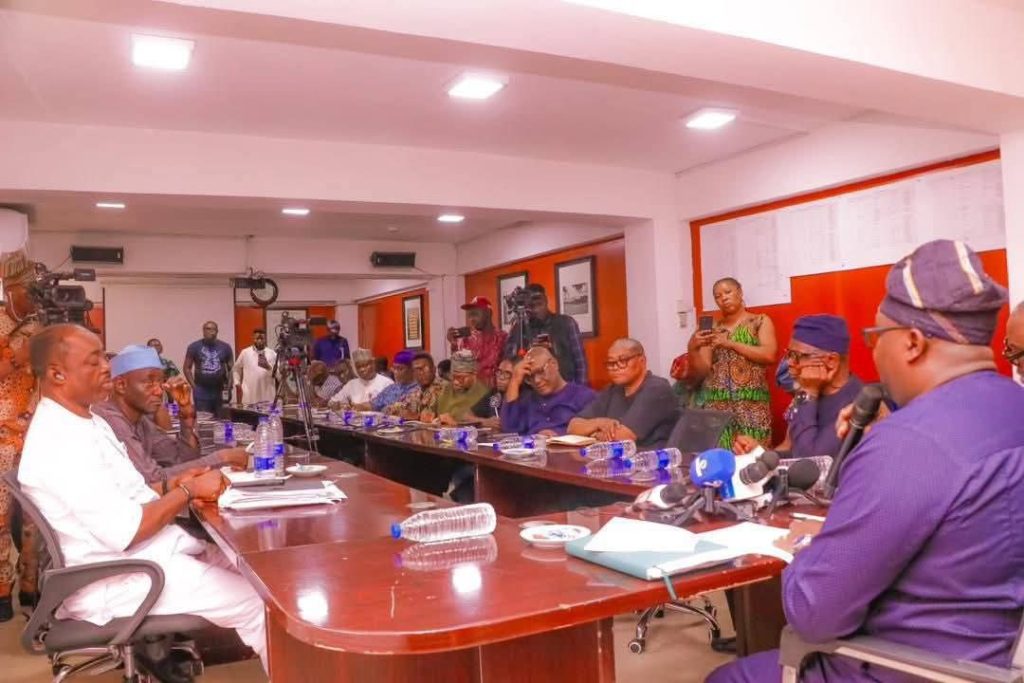
Adelabu expressed dissatisfaction with the pace of metering under the federal government’s Distribution Sector Recovery Programme (DISREP) Metering Initiative, revealing a significant shortfall between meters supplied and those installed.
According to data from the programme’s Project Implementation Unit, approximately 59,000 prepaid meters have been delivered to IBEDC, yet only about 16,300 have been installed to date — a deployment rate the minister described as “not encouraging enough.”
“This gap is unacceptable, particularly at a time when restoring public confidence in the power sector is paramount,” Adelabu told stakeholders. “The early deployment of the available meters must be treated as a priority intervention.”
The minister stressed that effective metering remains central to resolving long-standing challenges in the electricity value chain, including estimated billing disputes, revenue leakages, and commercial losses.
He noted that rapid deployment of prepaid meters would help eliminate arbitrary billing, improve transparency in energy consumption tracking, and foster a more predictable revenue environment for distribution companies. In turn, this would strengthen the financial sustainability of the sector and improve service delivery.
“Metering is not merely a technical obligation; it is a strategic reform tool,” Adelabu said. “It directly affects customer confidence, operational efficiency, and the viability of the entire power ecosystem.”
Industry analysts have long identified Nigeria’s metering deficit as one of the most critical obstacles to achieving cost-reflective tariffs and sector liquidity. Despite successive federal interventions, millions of electricity consumers nationwide remain unmetered, often relying on estimated billing systems that have generated widespread complaints.

Adelabu’s visit forms part of a broader oversight and engagement strategy aimed at ensuring accountability among distribution companies (DisCos), many of which have faced scrutiny over service quality, infrastructure investments, and financial remittances within the electricity market.
By directly engaging IBEDC’s leadership, the minister signaled a shift toward closer monitoring of performance benchmarks tied to federal support programmes.
He emphasized that the government’s intervention through DISREP was designed not only to bridge the metering gap but also to reinforce operational discipline within distribution companies.
“The Federal Government has provided these meters as part of a structured recovery programme,” he stated. “Operators must demonstrate measurable results that justify continued public investment and stakeholder confidence.”
IBEDC, one of Nigeria’s eleven electricity distribution companies, services customers across Oyo, Ogun, Osun, and Kwara states, as well as parts of Niger, Ekiti, and Kogi states. Given the economic significance of these regions, improvements in metering and service delivery are expected to have far-reaching commercial and social impacts.
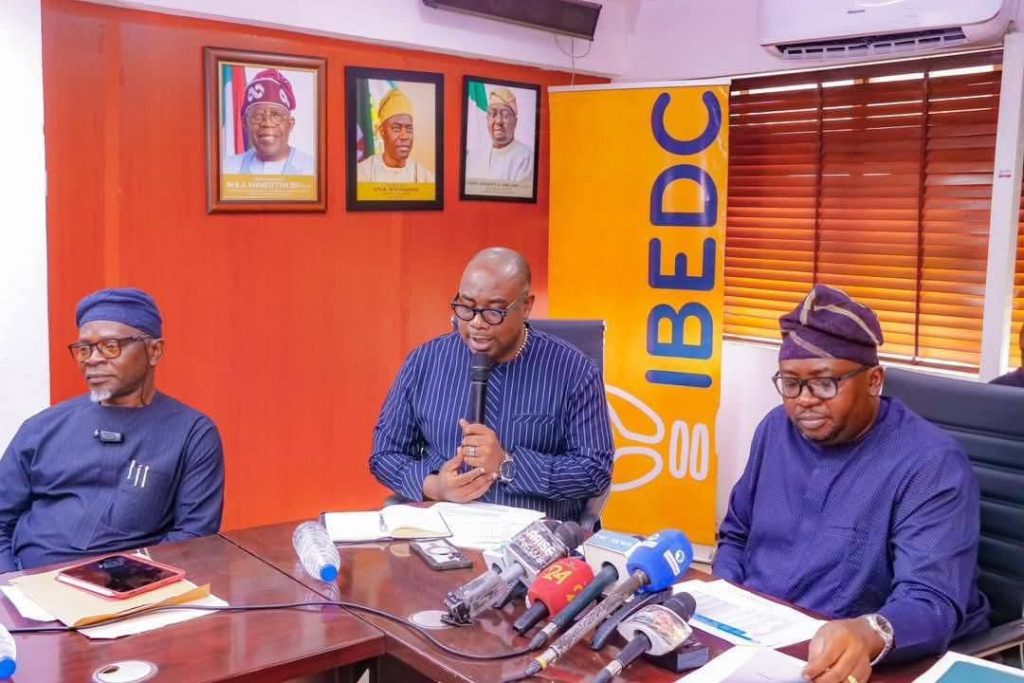
Stakeholders present at the meeting reportedly acknowledged the deployment challenges, attributing delays to logistical constraints, installation bottlenecks, and customer data verification issues. However, the minister maintained that such obstacles must be resolved swiftly.
Adelabu concluded by urging IBEDC to treat the deployment of the outstanding meters as an urgent operational priority, framing it as essential to restoring credibility in the electricity supply chain.
The directive aligns with the Federal Government’s broader energy reform agenda, which seeks to strengthen governance, improve cost recovery, and attract fresh investment into Nigeria’s power infrastructure.