
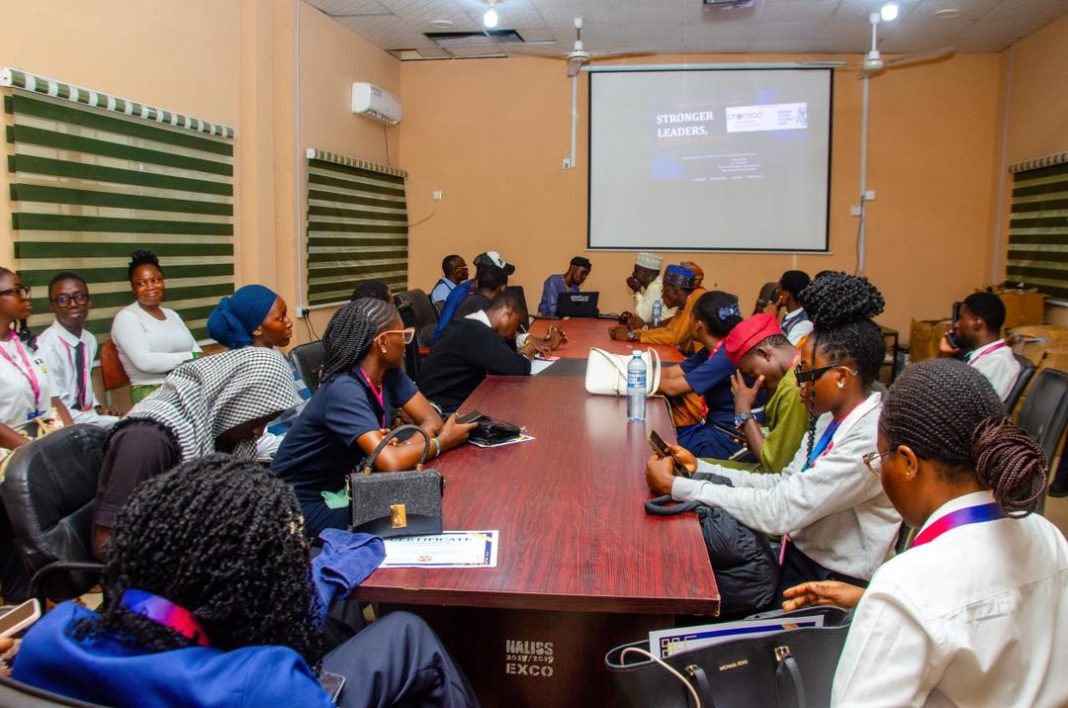

In a strategic effort to strengthen youth leadership and civic participation in tertiary institutions, DIAF Communication, with support from PROMAD Foundation and the Nigeria Youth Futures Fund (NYFF), has successfully trained student leaders at Kwara State University (KWASU), Malete.
The training, held at the ICT Faculty Board Room, brought together 40 student leaders drawn from eight faculties across the university, surpassing the initial target of 30 participants.
The participating faculties included Engineering, Pure and Applied Sciences, Law, Education, Arts, Humanities, Allied Health Sciences, and other key student leadership structures within the institution.
The programme, themed around Civic Leadership and Youth Engagement, was designed to equip student leaders with practical knowledge on ethical leadership, civic responsibility, accountability, and participatory governance.
Speaking during the training, the Project Lead, Habeeb Daranijo, emphasized the need for intentional leadership development among students, stressing that student leaders occupy strategic positions in shaping campus governance and influencing democratic values among young people.
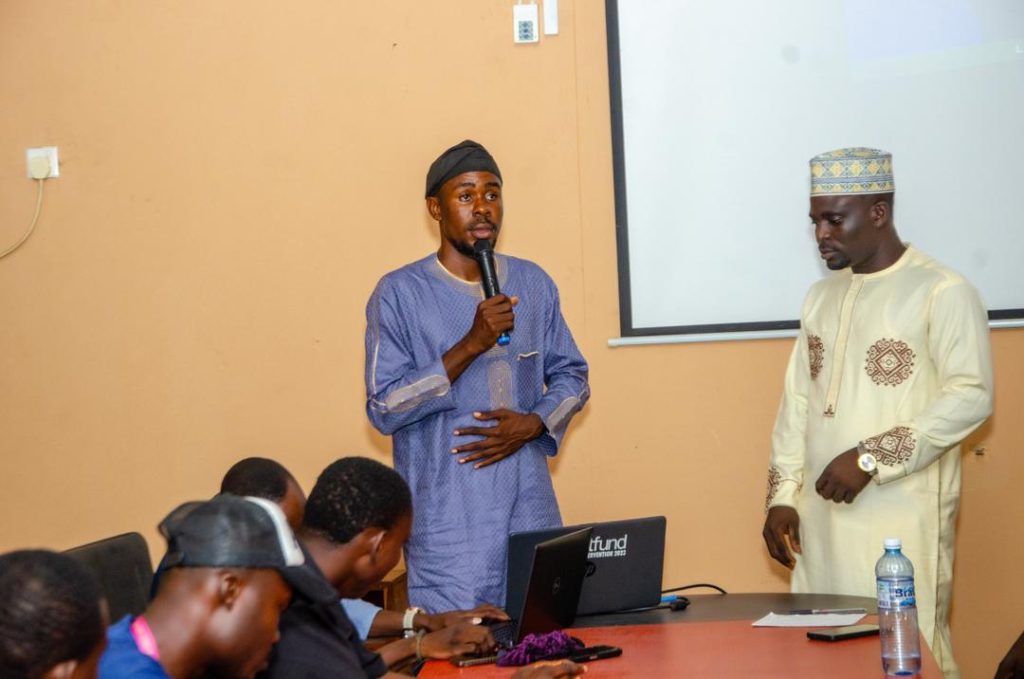
According to him, “Leadership within tertiary institutions must go beyond titles. It must reflect service, accountability, and the ability to represent the interests of students effectively.”
The workshop featured interactive sessions, practical case studies, and group discussions focused on common leadership challenges within university communities, while encouraging collaborative problem-solving and inclusive governance which was handled by Mr. Salaudeen Abdullahi.
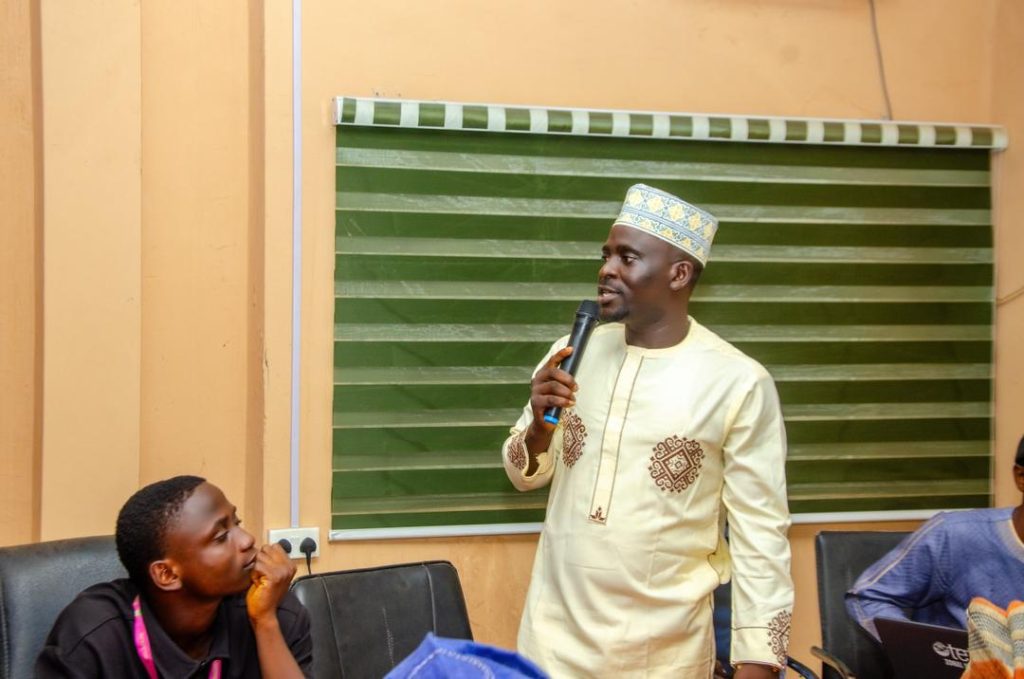
Participants described the training as timely and impactful, noting that it broadened their understanding of leadership ethics and strengthened their commitment to responsible representation.
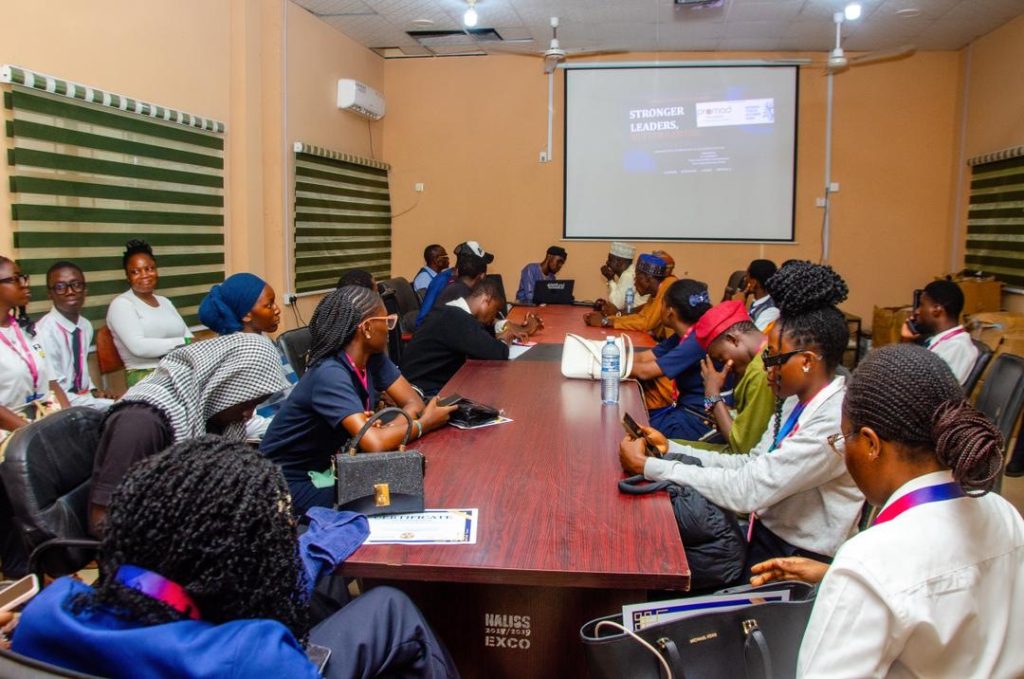
The initiative forms part of the Youth-Led Local Action for Strengthening Civic Ecosystems in North Central Nigeria, aimed at expanding youth civic engagement and leadership opportunities at the grassroots.
Observers have described the training as a significant step toward building a stronger culture of accountability and civic consciousness among young leaders in higher institutions.
With the success of the programme, stakeholders have called for sustained engagement and expanded leadership development initiatives to deepen youth participation in governance and community development.