
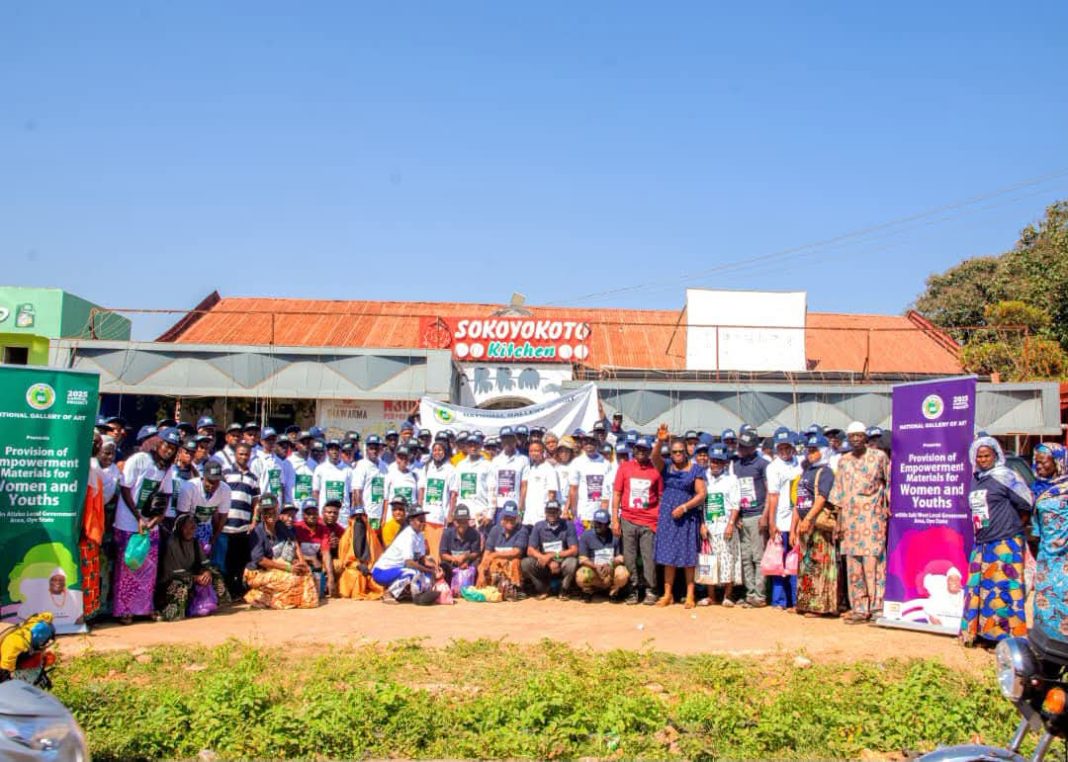

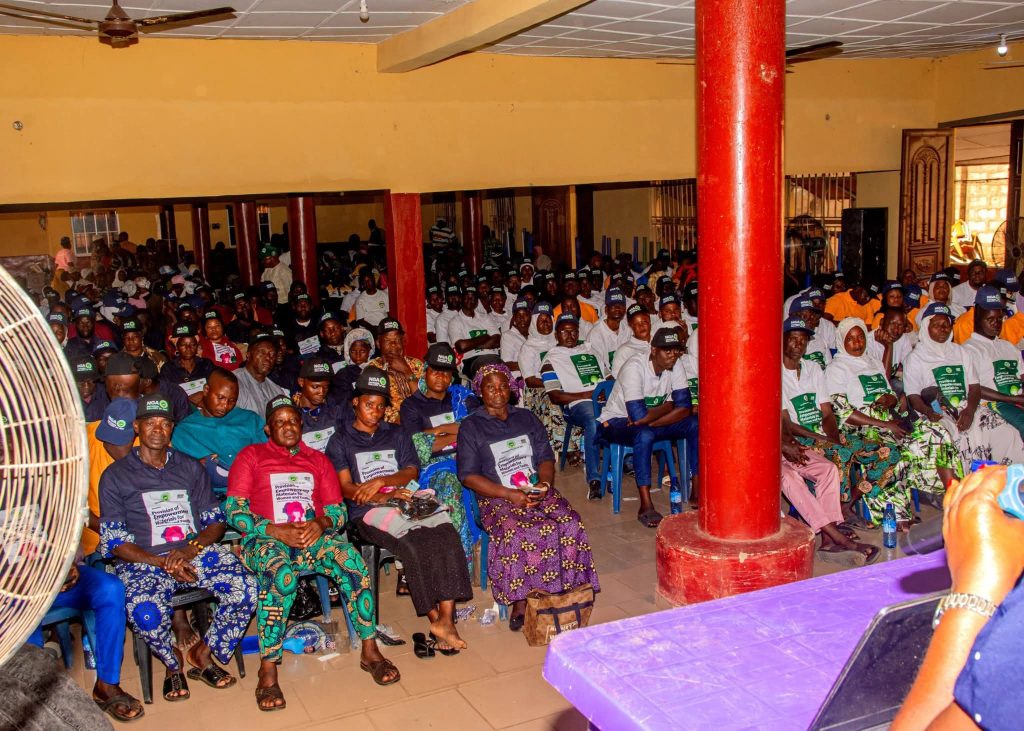
In a major constituency-wide intervention targeting vocational development, agricultural productivity and grassroots economic advancement, Hon. Kareem Tajudeen Abisodun, member representing Saki-West, Saki-East and Atisbo Federal Constituency in the House of Representatives, has empowered 300 women and youths with ₦30 million in financial assistance while distributing agricultural inputs and business startup equipment to hundreds of other constituents.
The five-day empowerment and capacity-building programme, which ran from November 16 to 20, 2026, was implemented in partnership with the National Gallery of Arts under the Federal Ministry of Art, Culture, Tourism and the Creative Economy.
The intervention brought together vocational training, direct financial assistance and the distribution of productive assets in a coordinated effort to improve economic participation, encourage entrepreneurship and provide beneficiaries with practical opportunities for self-employment across the constituency.
In a statement made available to newsmen in Saki on Friday, Sheu Shittu Megida, Special Adviser on Media and Publicity to Abisodun, disclosed that the programme formed part of the lawmaker’s sustained commitment to delivering constituency-focused interventions capable of addressing the economic needs of women, youths, farmers and small-scale business operators.
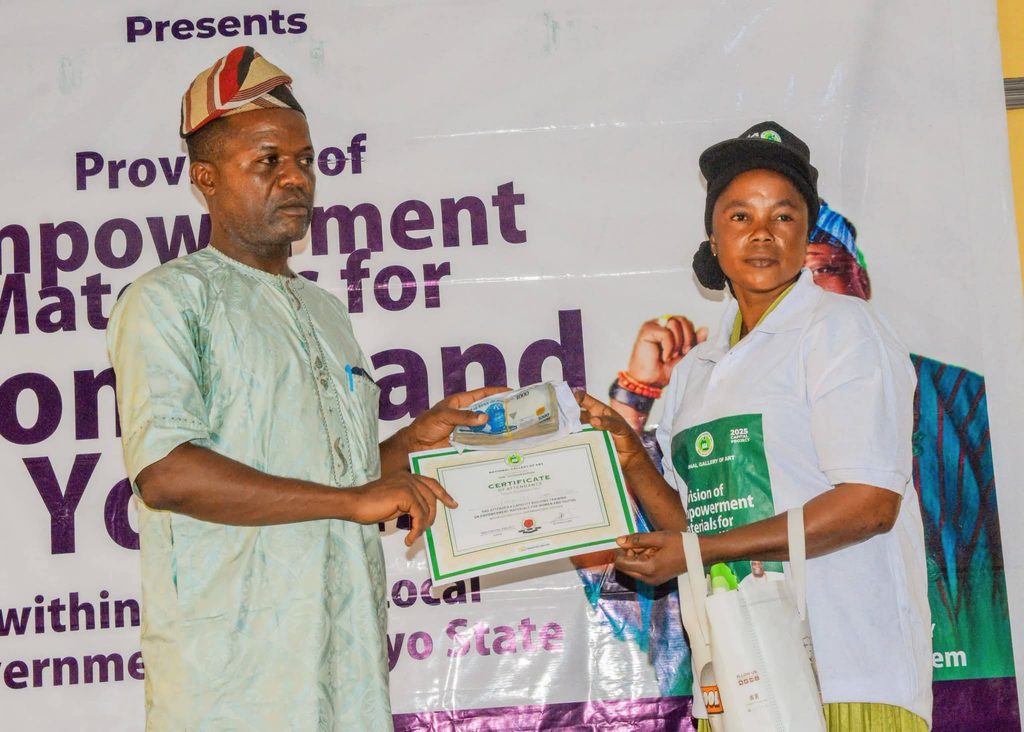
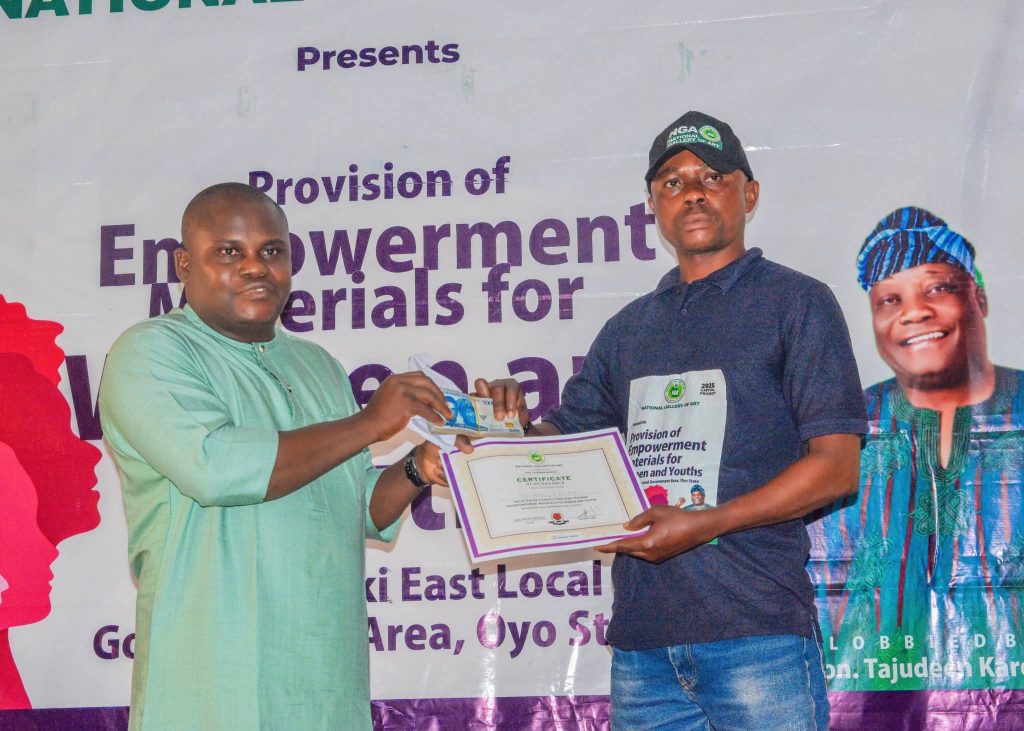
Under the financial empowerment component, 300 women and youths received ₦100,000 each, bringing the total cash disbursement to ₦30 million. The financial support is intended to strengthen beneficiaries’ businesses, provide working capital and enable participants to put their newly acquired vocational skills into practical use.
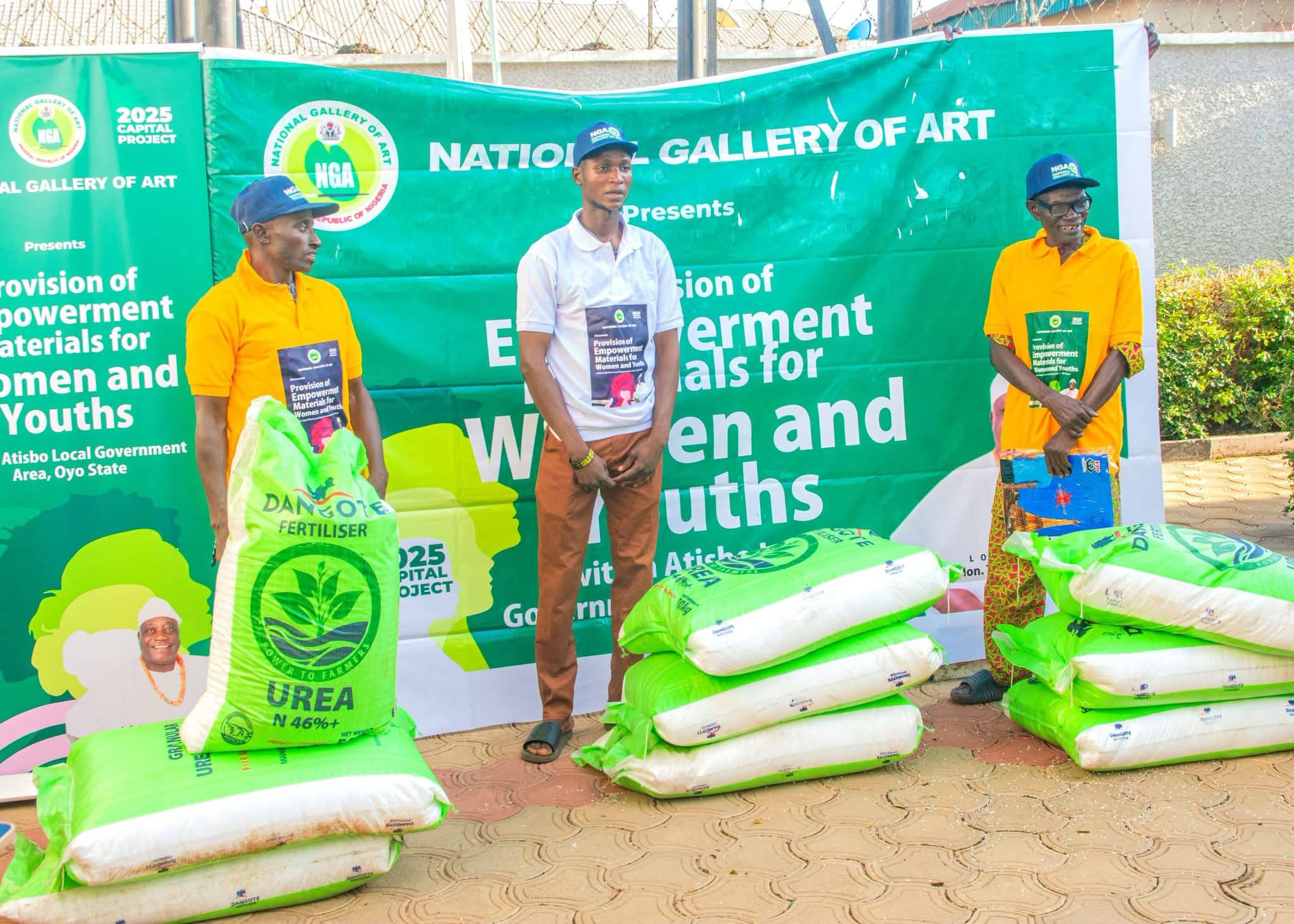
The initiative also accommodated the agricultural sector, with 100 farmers receiving three bags of UREA fertiliser each, representing a total distribution of 300 bags. The intervention is expected to support farming operations, improve access to essential agricultural inputs and contribute to efforts aimed at strengthening food production and food security.
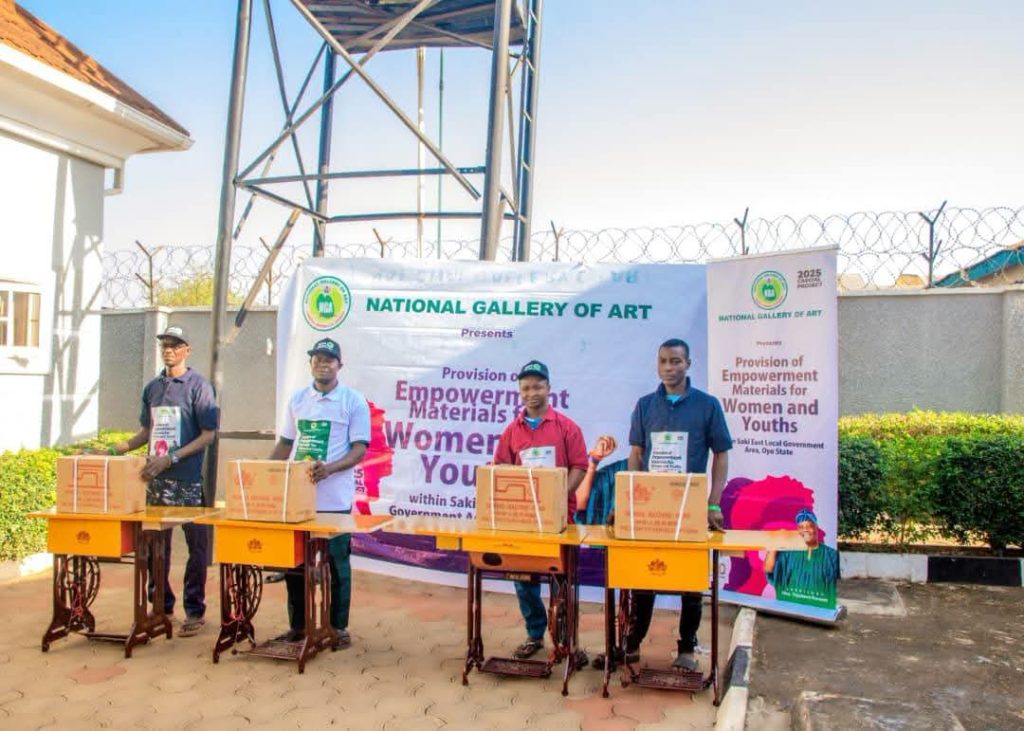
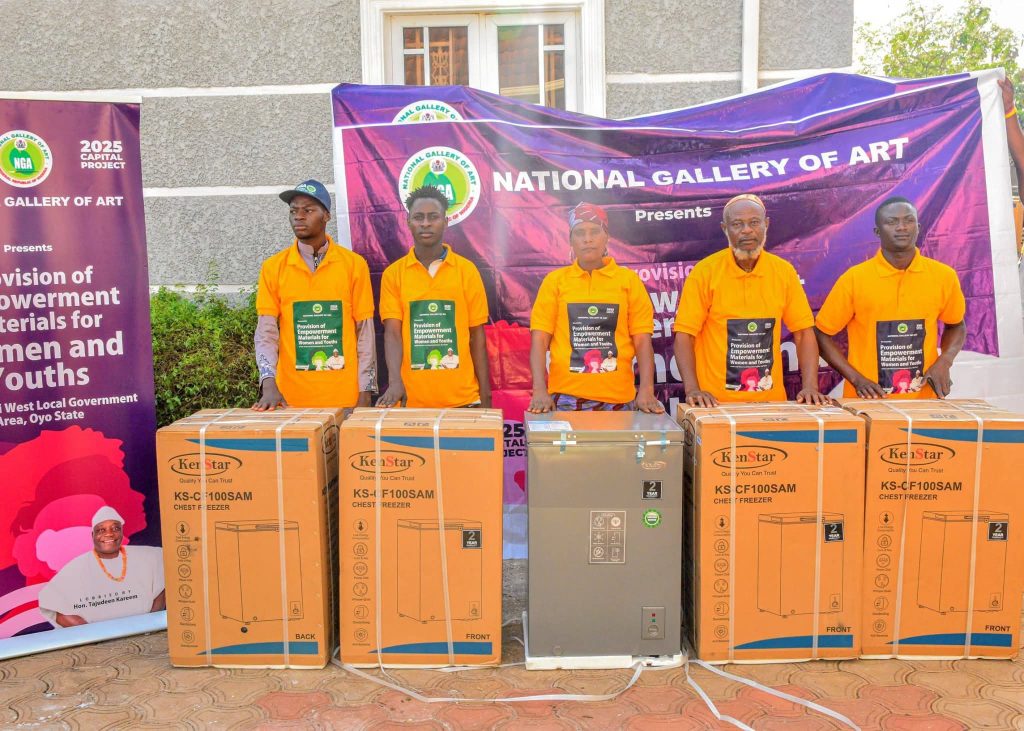
Similarly, 100 constituents received freezers to support commercial activities, particularly businesses that depend on refrigeration and the preservation of perishable products. Another 100 beneficiaries received complete tailoring machine sets to facilitate the establishment of new tailoring businesses and the expansion of existing enterprises.
The combination of these interventions reflects an empowerment framework that recognises the different economic realities confronting constituents, particularly the need for vocational competencies, startup resources, business infrastructure and agricultural support.
In his remarks conveyed through the statement, Abisodun emphasised that meaningful empowerment must be measured beyond the immediate distribution of cash and equipment, noting that sustainable economic independence requires equipping individuals with the skills, resources and opportunities necessary to become productive members of society.
He explained that the programme was deliberately designed to ensure that beneficiaries were not merely recipients of government-supported interventions but were also positioned to transform the opportunities provided into sustainable economic ventures.
The lawmaker further stated that the initiative represented a continued investment in human capital development and was consistent with the economic growth and development agenda of President Bola Ahmed Tinubu and Governor AbdulRahman AbdulRazaq.
He reiterated his commitment to expanding opportunities, strengthening livelihoods and ensuring that the dividends of representation reach communities throughout Saki-West, Saki-East and Atisbo Federal Constituency.
The scale and diversity of the intervention place particular emphasis on three interconnected areas of grassroots development: vocational empowerment, agricultural productivity and small-business sustainability.
For the 300 women and youths who received financial assistance, the ₦100,000 grant provides an opportunity to reinforce business operations and deploy newly acquired skills. For the farmers, the fertiliser distribution is intended to support agricultural production, while the freezers and tailoring machines offer beneficiaries in the commercial and vocational sectors tangible productive assets.
The programme further highlights the importance of institutional collaboration in delivering community-based development initiatives, particularly through partnerships that connect vocational training with economic opportunities.
With the completion of the five-day exercise, attention is now expected to focus on how beneficiaries utilise the financial assistance, equipment and agricultural inputs to establish viable businesses, improve productivity and strengthen their household economies.
Abisodun maintained that his commitment to constituency development would remain anchored on practical interventions that promote self-reliance, economic inclusion and sustainable prosperity across the federal constituency.