

By Habeeb Daranijo
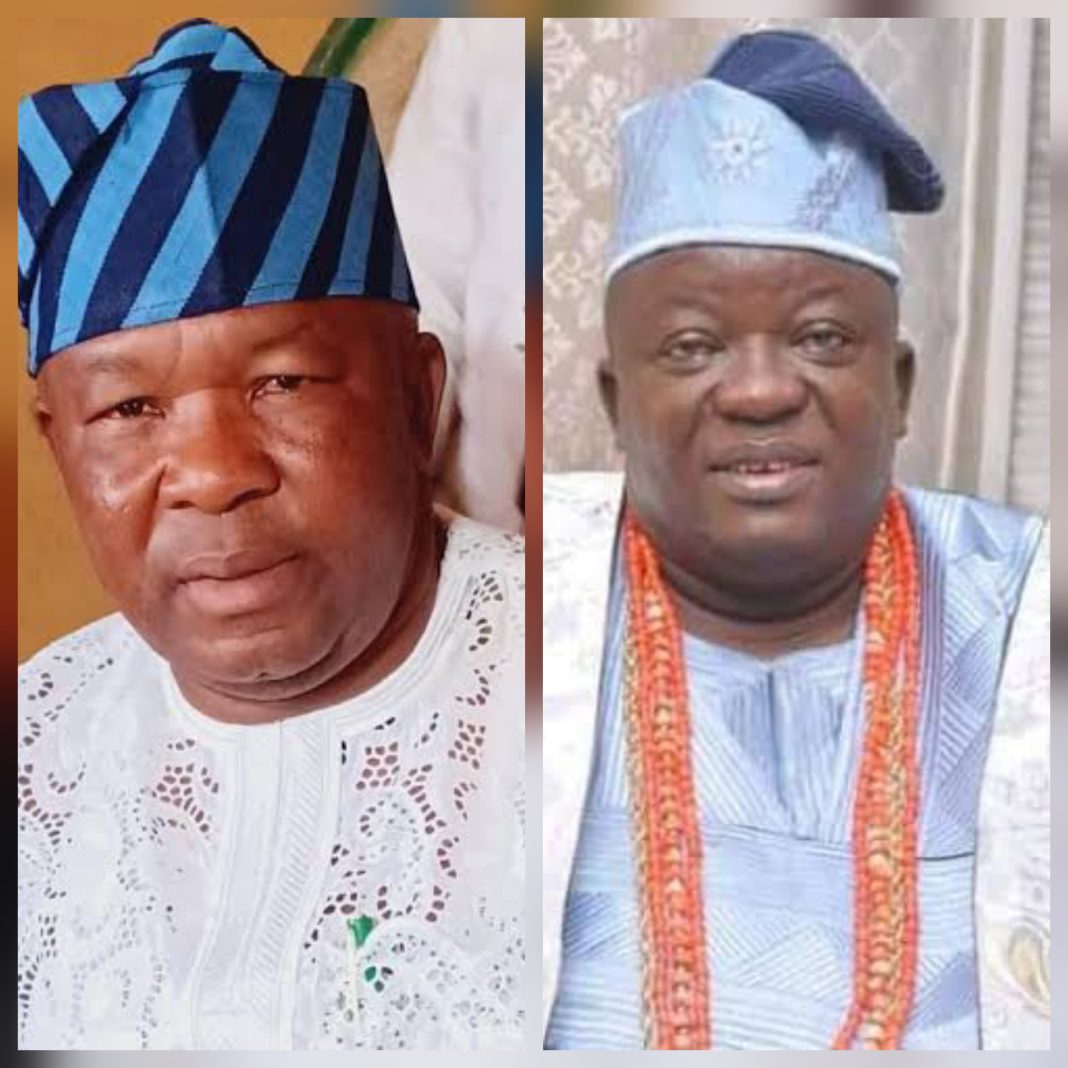
There is a saying in Saki that captures the town’s commercial instinct better than any economic textbook: Kara ni a ti n ra ti a sin ta — it is from the kraal that real trading begins. That instinct is now at the center of a quiet but consequential standoff between the Okere of Saki’s palace and the Saki West Local Government leadership under Hon. Gbenga Akinola over where — and how a new kraal (cattle holding and trading yard) should be sited in the town. Traditional authority wants the process handled with cultural sensitivity and consultation; the council leadership, going by public remarks, has signalled caution about rushing a new site into use “for now.” Both instincts are legitimate. But the disagreement itself is a distraction from the far bigger opportunity sitting inside it: Saki has a chance to build the most modern, most secure, most transparent livestock market template in Nigeria — and turn a local disagreement into a national policy win.
What A Kraal Has Done For Other Towns
Across Oke-Ogun and the wider trade corridor, the towns that built their identity around a functioning kraal or cattle market became reference points on the map long before they became reference points in any government gazette. Ilesha-Ibaruba and Ago-Are, both in the Oke-Ogun cattle-trading belt, are held up locally as examples of communities whose kraal markets did more than move livestock — they pulled in transporters, butchers, feed sellers, veterinary drug dealers, hide-and-skin processors, food vendors and lodging businesses that would never otherwise have set up shop in a rural community. That is the standard economic multiplier effect of a well-run livestock market anywhere: for every cow sold, a chain of ancillary trade — transport, feed, veterinary care, processing, retail — is activated around it. Saki, sitting on the historic Benin Republic trade corridor with an already-recognised identity as “the food basket of Oyo State,” is arguably better positioned than either town to scale that effect if the market is designed properly from day one.
The Real Choice Isn’t “Kraal Or No Kraal” — It’s “Analogue Or Modern”
The palace-versus-council friction is, at bottom, a fight over an old model of market-making: informal siting, undocumented traders, cash-only transactions, and minimal security. That old model is precisely what makes such markets vulnerable — security analysts have long flagged Nigeria’s largely undocumented, cash-based livestock trade as an easy channel for laundering illicit proceeds and, in some troubled corridors, financing armed groups, simply because there is no reliable paper or digital trail linking money to a named, verifiable trader. Reports alleging that open cattle markets along Nigeria’s trade routes have been exploited this way should not be dismissed — but the answer is not to shut the market down. It is to modernise it so thoroughly that the very vulnerability becomes the selling point of a new national template.
A Five-Point Recommendation For A Smart Saki Kraal
1. NIN-linked digital trader registry. Every trader, agent, and cattle owner using the kraal should be registered using the National Identification Number as the anchor identity. A simple digital register — accessible via a basic USSD code or a tablet-based enrollment desk at the market gate — would capture who is trading, what they are trading, and how much, converting an anonymous cash market into a traceable commercial ecosystem overnight. This single reform does more to defeat terrorism-financing concerns than any physical security deployment alone, because it removes the anonymity that illicit financing depends on.
2. Structured physical layout with security-by-design. A modern kraal should be zoned — holding pens, weighing and grading bay, an auction floor, a documented exit gate — so that livestock and cash cannot move in or out without passing a checkpoint. CCTV coverage at entry/exit points, a manned security post jointly staffed by local vigilante, police and, where relevant, livestock guards, and a functional market tribunal for dispute resolution should be built into the design, not added as an afterthought.
3. Formal linkage to the Oyo State livestock and trade formalisation drive. Oyo State’s existing four-point strategy for formalising cross-border trade — trader registration and enumeration, basic infrastructure, trade facilitation officers, and capacity training for women and youth — was designed for exactly this kind of market. Saki’s new kraal should be built as a flagship pilot of that state policy rather than a standalone local project, giving it access to state and federal livestock-sector funding already earmarked for such modernisation.
4. A digital ledger for cattle movement and levies. Linking the trader registry to a simple digital levy-collection system (mobile money or bank transfer rather than cash-only collection) closes the same loophole that makes unregulated markets attractive for illicit finance, while also plugging local government revenue leakages that have historically starved these markets of reinvestment.
5. A joint palace–council management board. The current friction between traditional authority and the council chairman is itself a governance risk the market design should absorb. A formal joint management board — with the Okere’s palace, the local government, market women/traders associations, and security agencies all holding seats — would convert a turf dispute into shared ownership, and shared ownership is what sustains a market long after the current administration leaves office.
The Payoff: Jobs, GDP, And A National Template
Done right, a modernised Saki kraal is not just a market — it is a job-creation engine: weighers, graders, clerks, transporters, feed and veterinary suppliers, hide processors, caterers, security personnel, and digital enrollment staff all draw a living from a single well-run facility. Multiply that across a functioning trade corridor stretching into Ago-Are, Ilesha-Ibaruba, and the Benin Republic border, and the effect compounds regionally — more cattle moved, more levies collected, more ancillary trade retained locally instead of leaking to Ibadan’s Bodija or Lagos’s Kara markets. A town that captures a larger share of Nigeria’s growing livestock economy captures a proportionate share of local GDP growth, and a local government that can show clean, traceable trade data is better positioned to attract federal and development-partner funding.
Nigeria does not yet have a single livestock market anywhere in the country built from scratch around NIN-linked trader registration, security-by-design, and joint traditional–civil governance. Saki, precisely because it finds itself at the center of this dispute right now, has the rare opportunity to be first — and to hand the rest of the country a template instead of just another local quarrel.
Kara ti a dale daada, lo n mu ilu gboro — a well-run kraal is what a town is known by. Let Saki choose to be known for getting this right.
Oyo Unfiltered Episode


 should be sited in the town.)